
PA66 GF30 Flame-Retardant Nylon 66 Supplier Evaluation: Capability and Delivery Assurance
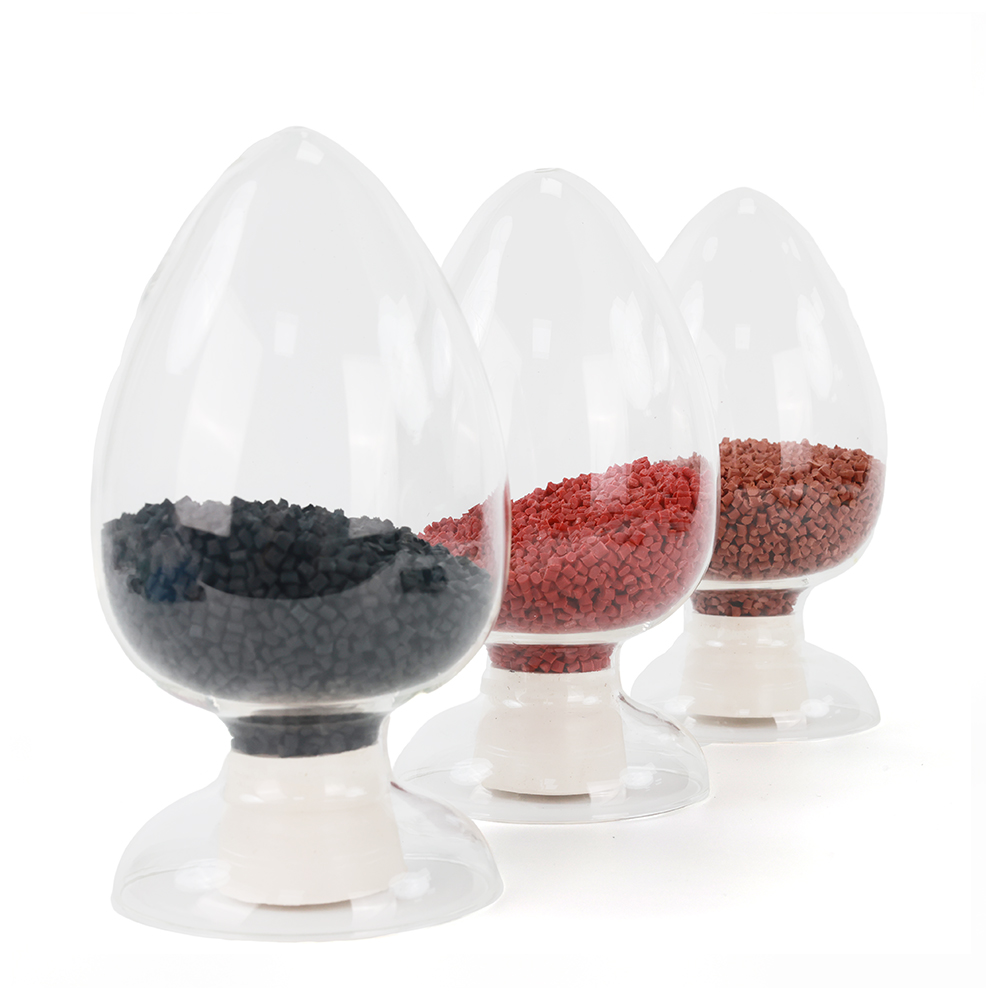
A flame-retardant PA66 GF30 supplier should be evaluated in two separate gates rather than scored on one overall impression. Capability verification asks whether the named grade can meet the part requirement and whether the supplier can prove it with grade-specific evidence. Delivery assurance asks whether the same grade, the same packaging and the same schedule can be repeated shipment after shipment. A supplier can pass one gate and fail the other, which is why a single technical data sheet, a single sample bag or a single clean delivery does not constitute a supplier approval.
Why PA66 GF30 Is Not a Purchase Specification
PA66 GF30 identifies polyamide 66 reinforced with approximately 30% glass fiber. It does not define the flame-retardant additive package, heat stabilization, hydrolysis resistance, color, regulatory status, the conditioning state behind a published value, or the specimen thickness behind a UL 94 statement. Two suppliers can both print PA66 GF30 on a bag and deliver materials that are not interchangeable in the same mold, let alone in the same application.
WanHan Plastic is the brand of Guangdong Wanhan New Material Technology Co., Ltd., a China-based manufacturer of modified engineering plastic compounds located in Huizhou City, Guangdong Province. Its own range shows how far apart two grades carrying the same designation can sit.
- PA66-WHG30A is a 30% glass-fiber-reinforced PA66 injection-molding compound for structural and thermal duties. Its published typical values include tensile strength 175 MPa (ISO 527-2), flexural strength 255 MPa (ISO 178), flexural modulus 7,000 MPa (ISO 178), notched impact strength 18 kJ/m² (ISO 179), heat deflection temperature 220 °C under method B (ISO 75-2/B), melt flow index 20 g/10 min (ISO 1133), density 1.38 g/cm³ (ISO 1183) and molding shrinkage 0.5% (ISO 2577). Its published UL 94 flammability status is not specified.
- PA66-WHRG30A is a separate flame-retardant PA66 GF30 grade built on a modified PA66 matrix with glass fiber and a flame-retardant additive. Its published typical values include tensile strength 125 MPa (ISO 527-2), flexural strength 185 MPa, flexural modulus 6,800 MPa (ISO 178), notched Izod impact 15 kJ/m² (ISO 179), heat deflection temperature 180 °C (ISO 75-2/B), density 1.52 g/cm³ (ISO 1183) and shrinkage 0.5% (ISO 2577). Its TDS states UL 94 V-0, but the specimen thickness is not stated, and the grade documentation requires the current grade-specific report to be confirmed before product approval.
Both grades are labelled PA66 GF30, and neither substitutes for the other. The standard grade carries higher published tensile strength, flexural strength and heat deflection temperature. The flame-retardant grade answers a flammability requirement and trades part of that mechanical and thermal headroom for it. The supply decision changes completely depending on which one the project actually needs.
The recurring failure modes in this category are consistent:
- approving a compound from the resin-family label instead of the exact grade;
- treating a UL 94 line on a data sheet as a certificate, without knowing the specimen thickness;
- transferring a RoHS, REACH or UL document from one material family to another;
- reading heat deflection temperature as a continuous-use temperature;
- judging material identity from pellet color or appearance;
- assuming that a successful first shipment predicts a successful fifth shipment.
Industry Background: Why Supplier Evidence Is Harder Than It Looks
A reinforced grade with a demanding application base
Global production of polyamide 66 reached approximately 2.7 million metric tons in 2023 according to commercial market research, and the same research attributes more than 40% of PA66 consumption to under-the-hood automotive applications where heat resistance is the deciding requirement. Glass-fiber reinforcement is what makes the material usable in those positions. It raises stiffness, strength, creep resistance and dimensional stability relative to unfilled PA66, which is why reinforced grades appear in cooling fans, fan shrouds, radiator-system components, under-hood brackets, connector bodies and industrial machinery parts.
Published PA66 GF30 data sheets are not measured the same way
A buyer who screens suppliers by comparing data-sheet numbers will usually be comparing different measurements.
- Herikon's published PA66 GF30 data sheet lists a density of 1.29 g/cm³, a tensile modulus of 5,000 MPa and a maximum service temperature of 120 °C at 5,000 hours.
- ADVI Group's PA66 GF 30 data sheet lists a yield stress of 85 MPa, a tensile modulus of 4,500 MPa and a heat deflection temperature of 150 °C.
- WanHan's PA66-WHG30A publishes a flexural modulus of 7,000 MPa and a heat deflection temperature of 220 °C under ISO 75-2/B.
These are different metrics measured under different conditions. Tensile modulus is not flexural modulus. A maximum service temperature over 5,000 hours is not a heat deflection temperature measured on a short-term loaded specimen. Two of these figures should never be ranked against the third, and a supplier evaluation that does so will tend to select the wrong grade for the wrong reason. Request the metric definition, the test standard, the specimen conditioning and the edition before any comparison is made.
Price context is regional, and resin price is not compound price
Published PA66 base-resin pricing in September 2026 shows North America at US$3.48 per kilogram and Northeast Asia at US$2.95 per kilogram. That spread is a directional input for a sourcing decision, not a compound quotation. A 30% glass-fiber flame-retardant compound carries additional cost for fiber, coupling, flame-retardant package, compounding energy, testing and packaging, so base-resin indexes should frame a negotiation rather than decide it. For customs and documentation work, polyamides in primary forms are classified under HS code 3908.10.
Management-system certificates are not product compliance
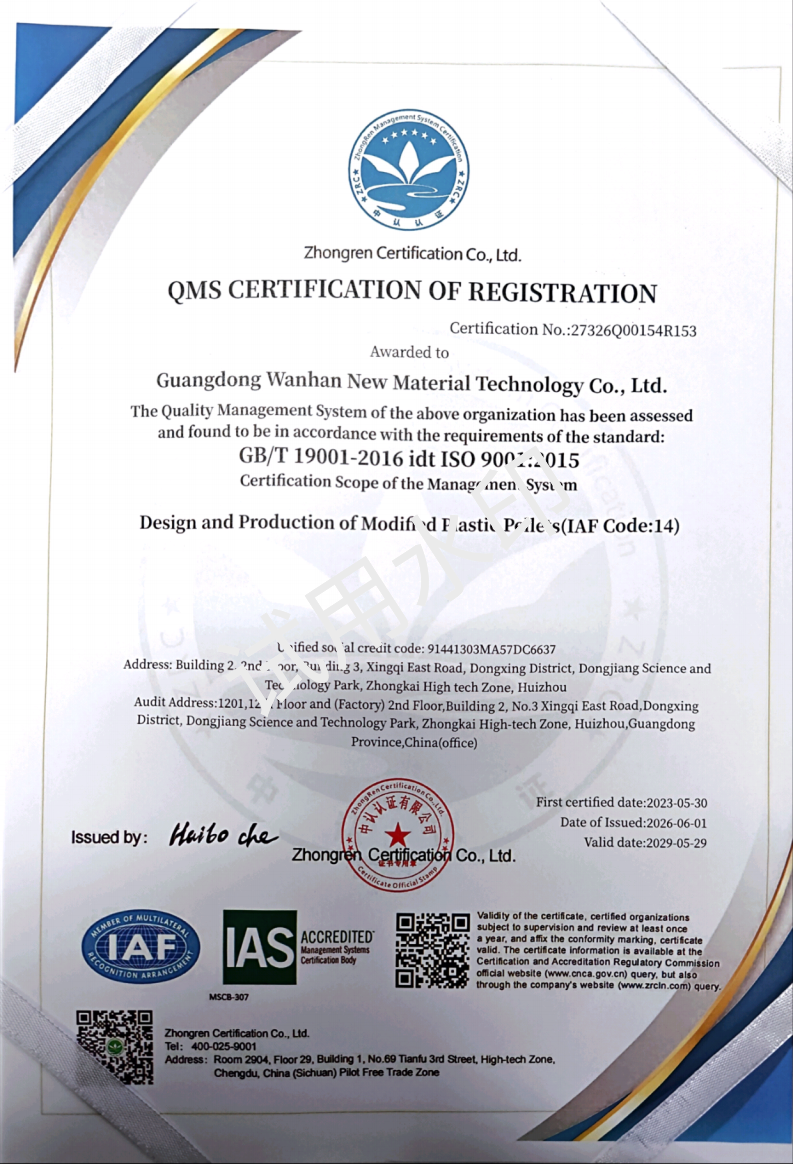
This distinction decides most compliance disputes in flame-retardant compound sourcing. Guangdong Wanhan New Material Technology Co., Ltd. holds ISO 9001:2015 certificate 27326Q00154R153, ISO 14001:2015 certificate 27326E00087R153 and ISO 45001:2018 certificate 27326S00077R153, all issued by Zhongren Certification Co., Ltd. on 2026-06-01 and valid to 2029-05-29. Their scope is the design and production of modified plastic pellets and its related management activities. They are company-level evidence. They do not certify the performance or the regulatory compliance of any individual grade.
The Two-Gate Evaluation Framework
Gate 1 — Capability verification
Start from the part, not from the pellet. Grade screening and the sample plan begin after the part drawing and service conditions have been reviewed, which means the first useful deliverable from a serious supplier is a set of questions rather than a quotation.
- Exact-grade technical data. Request the TDS for the specific grade code, not the product family. Confirm grade code, polymer, reinforcement level, units, test standard, specimen conditioning, edition and date. Note which metrics are missing. A missing UL 94 line or an absent long-term aging value is information, not a gap to be filled in with a sibling grade's numbers.
- Flame evidence at the thickness that matters. UL 94 classification is thickness-dependent. For PA66-WHRG30A the TDS states UL 94 V-0 without stating the specimen thickness; for PA66-WHG30A no UL 94 rating is stated at all. If the project needs a flame rating, request the current grade-specific report and confirm specimen thickness, color and report scope. Do not accept a classification carried over from another grade.
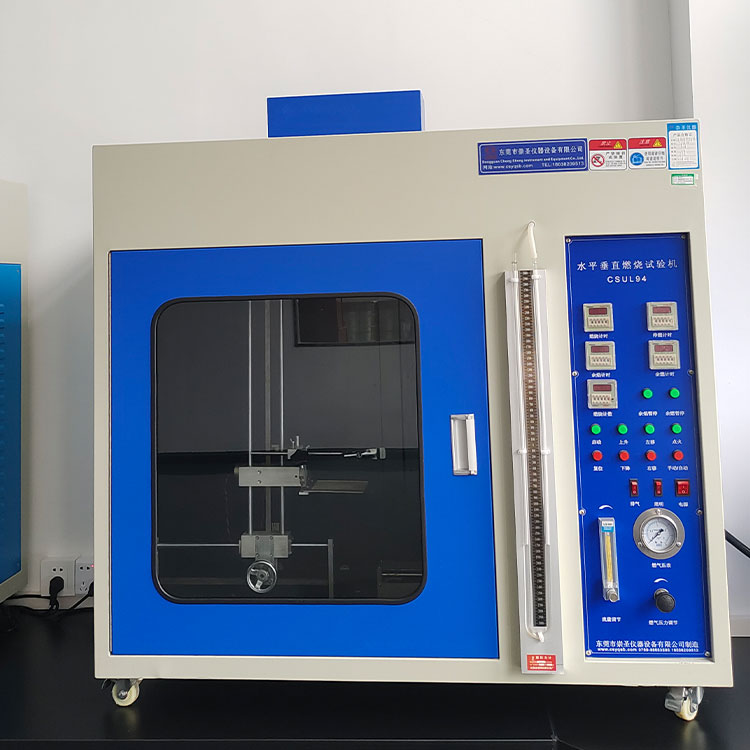
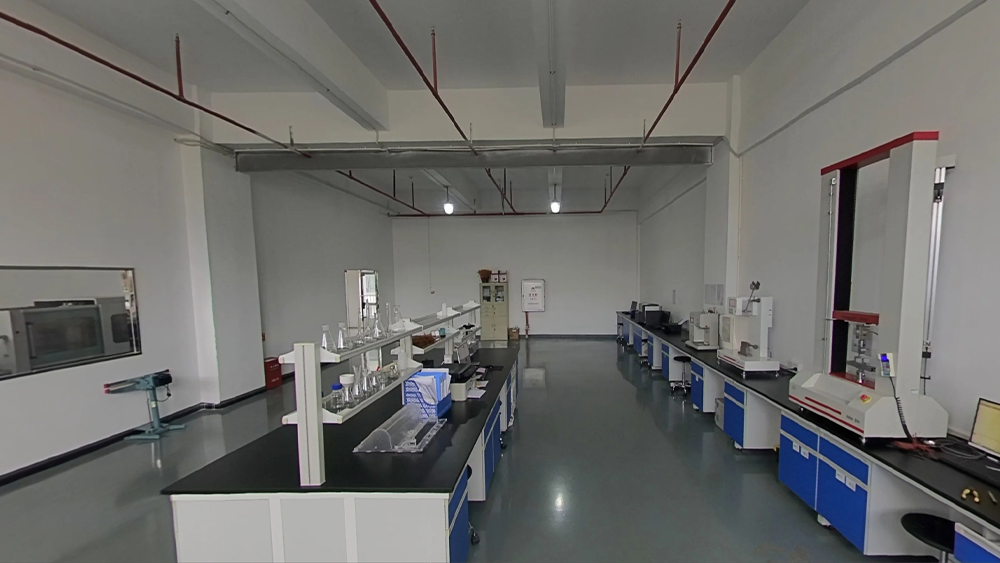
- Test capability behind the data. In-house capability indicates how quickly a supplier can investigate a batch or a complaint. WanHan maintains laboratory equipment for impact, HDT/Vicat, melt-flow, XRF screening, horizontal and vertical burning, universal mechanical and density testing, plus controlled flammability and glow-wire equipment where the selected product and application standard require it. Ask which of these tests are run on the exact grade, and under which method.
- The boundary between screening and certification. XRF screening is an internal elemental check and does not replace grade-specific third-party compliance certification, which is handled separately. A supplier that presents in-house screening as market certification has blurred a line the buyer will later have to defend.
- Report scope matching. Check every report against the actual purchase. SGS RoHS test report SZXEC24003382501 and SGS REACH SVHC test report SZXEC24003382502 both describe a flame-retardant PP sample under model SZX24-0033825-0001.C001, covering EU RoHS and REACH SVHC screening, issued 2024-11-04 and valid to 2027-06-29. They are valid for that tested sample. They must not be presented as RoHS, REACH or flame certification for PA66 GF30, PA66-WHG30A or the rest of the range. Where a destination or a customer requires PA66 GF30 evidence, request an exact-grade report.
- Sample validation, not sample delivery. A sample order opens capability verification; it does not close it. The documented practice is staged: document review, incoming sample identification, a controlled processing trial, conditioned-part testing and a signed acceptance baseline. Pellets that pass a laboratory check still have to be molded, conditioned, measured and compared against agreed criteria on the intended tool.
- Change control. Ask how a formulation, color or packaging change is handled and how a buyer is notified. Batch labels, retained samples and a written specification are what make this enforceable.
Gate 2 — Delivery assurance
Capability evidence says the material can do the job. Delivery assurance says the supplier can do it again.
- Capacity and allocation. Confirmed production capability is up to 5,000 metric tons per month across the manufacturing operation, with PA66 GF30 planned at up to 5,000 metric tons per month subject to the production schedule. Grade-specific availability must be checked before scheduling, and production allocation is planned by material family and exact grade. A large total figure is useful only when it is confirmed against the current order mix.
- MOQ and its variables. Evaluation quantities can start from 5 kg for applicable grades. Exact MOQ varies with formulation, reinforcement, color and packaging, so the MOQ that matters is the one quoted for your grade, not the advertised floor value.
- Lead time. Custom-grade lead time is typically 7–10 days after formulation, color, quantity, packaging and technical requirements are confirmed. Production timing follows the confirmed formulation and the order schedule.
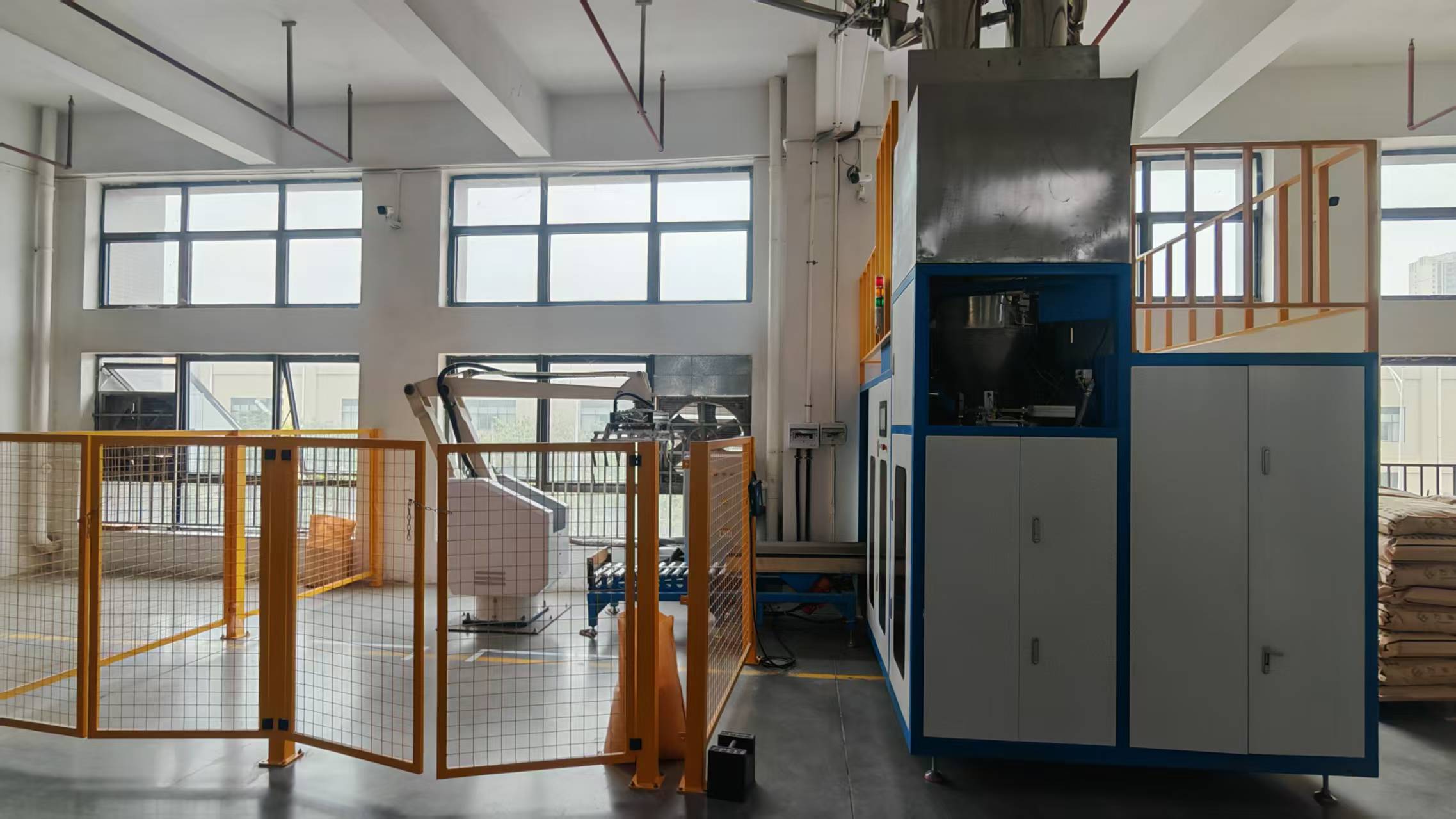
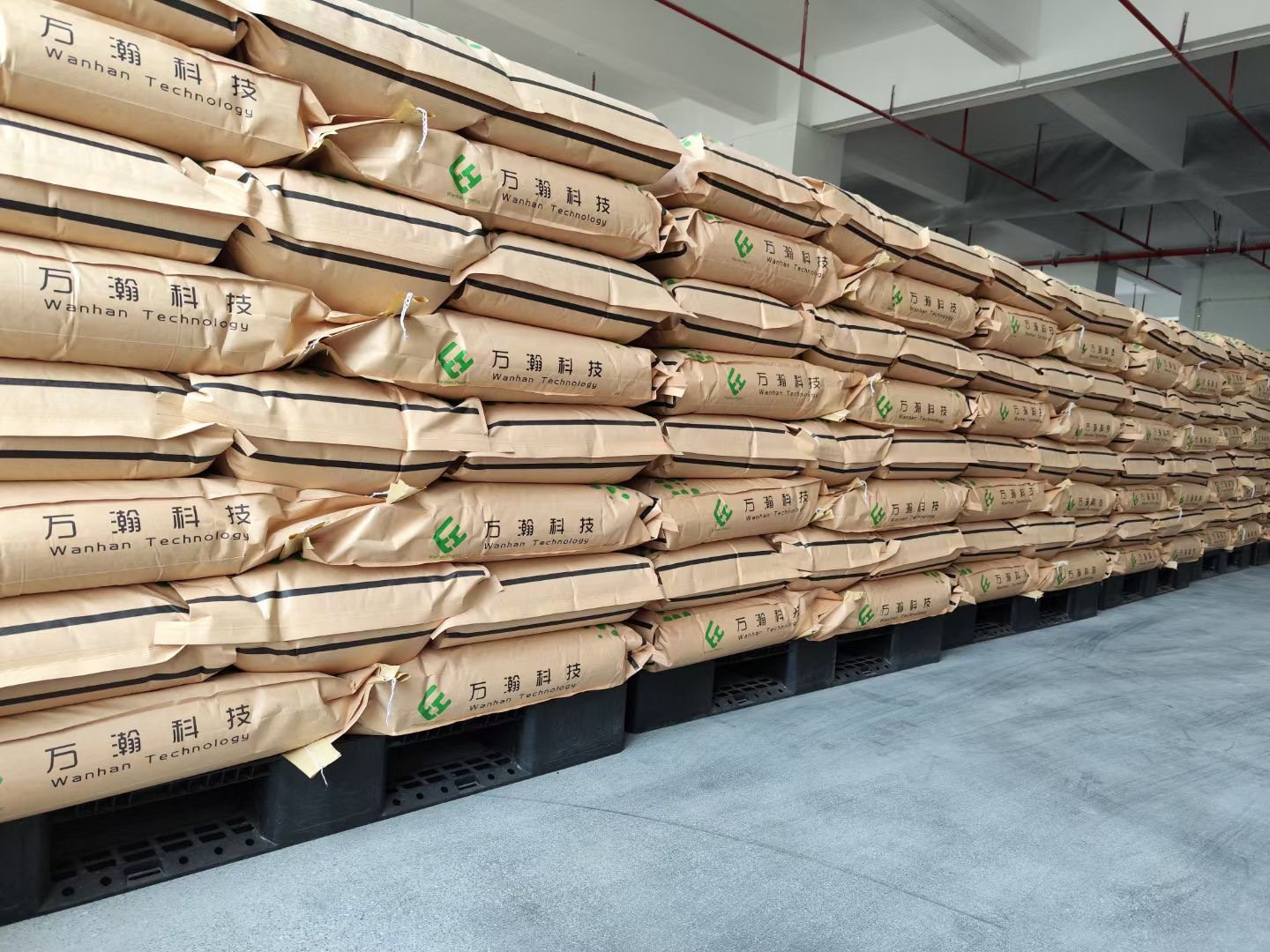
- Packaging and labeling. PA66 GF30 is supplied in 25 kg bags, with palletized shipment available. Bag weight, pallet configuration, label content and batch-code format should be written into the purchase order, because they are the visible surface of repeat-shipment consistency.
- Quality flow per batch. Quality control covers incoming-material inspection, in-process control, finished-compound property testing and batch consistency checks. Batch checks follow the approved material specification, and each grade is assessed against its exact specification, agreed test methods and conditioned specimen state. Finished-part validation remains application-specific and stays with the buyer.
- Export execution. Export markets include the EU, USA, Middle East and Southeast Asia, subject to grade-specific compliance and destination requirements, and the supplier reports experience serving customers in more than 30 countries. Documented sample and trial shipments support this. A 60 kg multi-grade polyamide sample order to Norway was completed in December 2025 with total buyer payment of US$1,250.80 received, and a 250 kg PA6 GF30 trial order to France was completed in 2026 for customer-side validation.
- International logistics and payment handling. A documented PETG CF20 order to Italy shows the full execution chain: order placement on 2025-01-06, shipment record update on 2025-03-26, full payment of US$2,272.40 received, DDP terms and sea-freight handling, with customer-identifying information redacted. The material differs, but the execution model — commercial documents, trade terms, payment and freight — is the same model a PA66 GF30 order follows.
Handling a suspected quality issue after delivery
This is the part of delivery assurance that buyers only test when something goes wrong.
- Stop and quarantine. Do not consume the remaining bags. Keep the bag, the label and the batch code exactly as received.
- Record the evidence immediately. Photograph the packaging, the label and the pellets, and record the batch code, the delivery date and the quantity already used.
- Separate material variables from process variables. Warpage, dimensional drift and surface defects in reinforced polyamide can originate from the material, but also from drying, gate and flow design, wall-thickness transitions, packing and cooling. Record dryer settings, drying time, moisture checks, melt and mold temperatures, residence time and conditioning state before concluding that the material changed.
- Compare the conditioned part, not the pellet. Moisture changes flow, surface quality, mechanical behavior and final dimensions, and post-molding conditioning shifts the measured result. Compare like with like.
- Send the retained sample with the data. A quality-issue review is only as good as the evidence attached to it: retained material, molded parts in the measured condition and the recorded process window.
- Use the supplier's review path. Support covers material-selection consultation, processing guidance, sample evaluation follow-up, batch follow-up and quality-issue coordination, including review of molding or service issues using the actual part conditions. Escalate with the batch record, not with a description alone.
Step-by-Step: A Practical Supplier Evaluation Sequence
- Define the part requirement: continuous and peak temperature, moisture or coolant exposure, load duration, dimensional tolerance, flame and electrical requirements, color, annual demand and required documentation.
- Decide which grade family the project actually needs — standard or flame-retardant — and confirm the exact grade code.
- Request the exact-grade TDS and list every missing metric instead of filling it from a sibling grade.
- Request the flame evidence at the required specimen thickness, plus the current grade-specific compliance reports.
- Check that each certificate matches the grade, the sample and the market requirement it is claimed to satisfy.
- Order an evaluation quantity from 5 kg and run a controlled processing trial rather than an appearance check.
- Test conditioned molded parts against the agreed acceptance criteria and sign a baseline.
- Confirm MOQ, the 7–10 day custom-grade lead time, 25 kg bag packaging and palletizing for the exact grade.
- Write batch, labeling, retained-sample and change-notification requirements into the purchase order.
- Hold the first production shipment against the signed baseline, and re-verify on repeat shipments.
| Item | PA66-WHRG30A (flame-retardant) | PA66-WHG30A (standard) | What the number does not tell you |
|---|---|---|---|
| Material | Modified PA66 with glass fiber and flame-retardant additive | Polyamide 66 reinforced with 30% glass fiber | Whether the compound also carries heat stabilization, hydrolysis resistance or UV resistance |
| Reinforcement (grade designation) | 30% glass fiber | 30% glass fiber | Fiber length, coupling system or orientation behavior in your mold |
| Tensile strength | 125 MPa (ISO 527-2) | 175 MPa (ISO 527-2) | Nothing about part-level strength at a weld line |
| Flexural strength | 185 MPa (source TDS cites ISO 527-2) | 255 MPa (ISO 178) | Confirm the test method before comparing; the two citations are not aligned |
| Flexural modulus | 6,800 MPa (ISO 178) | 7,000 MPa (ISO 178) | Stiffness of the molded part under sustained load or at service temperature |
| Notched impact | 15 kJ/m² (ISO 179) | 18 kJ/m² (ISO 179) | Impact margin at low temperature or after aging |
| Heat deflection temperature | 180 °C (ISO 75-2/B) | 220 °C (ISO 75-2/B) | Continuous-use temperature; HDT is a short-term loaded test |
| Density | 1.52 g/cm³ (ISO 1183) | 1.38 g/cm³ (ISO 1183) | Cost per part, because the density difference changes molded part mass |
| Molding shrinkage | 0.5% (ISO 2577) | 0.5% (ISO 2577) | Directional shrinkage and warpage in your own geometry and gate layout |
| UL 94 flammability | TDS states V-0; specimen thickness not stated — confirm the current grade-specific report | Not specified | Whether the required classification holds at the part thickness and in the supplied color |
| Packaging | Confirm for the exact order | 25 kg bags; palletized shipment available | Whether label format, batch code and pallet configuration will match your production line |
| Gate | Evidence to request | Why it belongs to that gate |
|---|---|---|
| Capability | Exact-grade TDS: grade code, polymer, reinforcement, test standard, conditioning, edition | Establishes what the grade can do under a defined method |
| Capability | Flame classification with specimen thickness, plus the current grade-specific report | UL 94 results are thickness-dependent and cannot be carried across grades |
| Capability | RoHS, REACH or other market reports that name the exact grade and sample | Report scope has to match the material actually purchased |
| Capability | In-house test capability list: impact, HDT/Vicat, melt flow, XRF screening, burning, mechanical, density | Determines how fast a batch or service question can be investigated |
| Capability | Sample plan and staged validation proposal | Converts laboratory values into molded-part evidence |
| Capability | ISO 9001, ISO 14001 and ISO 45001 certificates | Company-level process evidence; not a product-grade claim |
| Delivery | Confirmed capacity for the exact grade against the current order mix | A plant-level figure is not an allocation |
| Delivery | MOQ for the exact formulation, color and packaging | MOQ varies with formulation, reinforcement, color and packaging |
| Delivery | Custom-grade lead time after confirmation, typically 7–10 days | Sets a realistic production schedule rather than an optimistic one |
| Delivery | Packaging format, bag weight, palletizing, label and batch-code format | Repeat-shipment consistency is visible in packaging and labels |
| Delivery | Batch test flow: incoming inspection, in-process control, finished-compound testing, consistency check | Defines what is verified for every batch, not only the first |
| Delivery | Quality-issue reporting route, retained sample and escalation contact | Determines what happens when something goes wrong after delivery |
Use Cases: Where the Two Gates Decide Differently
Automotive cooling-system and under-hood components
PA66-WHG30A lists automotive cooling fans, fan shrouds, radiator-system components, under-hood brackets, covers and fluid-handling housings among its applicable industries. Capability verification dominates here, because continuous and peak temperature, fluid contact and load duration have to be documented on the exact grade, and hydrolysis, coolant or fuel resistance cannot be inferred from the polymer name. Delivery assurance dominates later, when the program consumes steady volume against a frozen specification.
Electrical and electronic housings that need flame-retardant screening
The flame-retardant PA66 GF30 grade is the candidate here, and the gate that usually fails is evidence rather than material. A stated UL 94 V-0 without a specimen thickness is not an approval; the exact-grade report has to be produced and the V-0 requirement matched at the part thickness. Where V-0 is mandatory, a separately documented flame-retardant grade must be verified, because the standard PA66-WHG30A has no stated UL 94 rating.
Electrical connector bodies and structural supports
Connector work combines heat, humidity, dimensional tolerance and assembly loads. Moisture control, fiber orientation, weld-line location, shrinkage, warpage and connector tolerance sit on the capability side. Batch-to-batch consistency over a long order sits on the delivery side, and both have to be answered before a production order is released.
Industrial gears, pump housings and machinery components
Torque, duty cycle, lubrication, fluid chemistry and wear target drive grade selection, and the relevant tests are part-level: gear or pressure behaviour, dimensional control and creep. The delivery gate here is about melt-flow and property consistency across many batches of a long-running part.
Small-batch and multi-grade screening
Buyers do not always know the final grade at the start. A 60 kg multi-grade polyamide sample order covering PA6, PA66, PA11 and PA12, completed for a buyer in Norway in December 2025, follows that pattern: screen several families in one shipment, then commit to one. A 25 kg trial order for PP GF30 supplied enough material for machine setup, tool filling and initial dimensional checks before a larger commitment.
Conclusion
A flame-retardant PA66 GF30 supplier decision made in one step usually gets one of the two gates wrong. Capability verification is about evidence: the exact-grade TDS, a flame classification tied to a specimen thickness, compliance reports that match the grade being purchased, an in-house test capability that can answer a batch question and a staged sample validation on the intended tool. Delivery assurance is about repetition: confirmed capacity against the current order mix, an MOQ that is real for your grade, a stated 7–10 day custom-grade lead time, 25 kg bag and palletized packaging written into the order, batch traceability and a documented route for reporting a suspected quality issue after delivery.
Treat them as two questions with two answers. Approve the grade first. Approve the supply second.
FAQ
Do the available WanHan ISO and SGS documents prove that PA66 GF30 is RoHS or REACH compliant?
No blanket product-compliance claim is supported by the available documents. ISO 9001:2015 certificate 27326Q00154R153, ISO 14001:2015 certificate 27326E00087R153 and ISO 45001:2018 certificate 27326S00077R153 are company management-system certificates issued by Zhongren Certification Co., Ltd. for the design and production of modified plastic pellets. The available SGS reports, RoHS report SZXEC24003382501 and REACH SVHC report SZXEC24003382502, describe a flame-retardant PP sample under model SZX24-0033825-0001.C001. They must not be presented as compliance evidence for PA66 GF30 or PA66-WHG30A. Match every report to the exact grade and the current market requirement, and request exact-grade evidence when the destination or the customer requires it.
How should a buyer verify UL compliance when shortlisting Chinese PA66 GF30 suppliers?
Verify UL by grade and thickness, not by country or by supplier reputation. Ask for the UL recognition covering the exact grade code and the exact specimen thickness, and check that the grade name, the color and the thickness on the document match the material on the purchase order. A UL 94 line printed in a technical data sheet is a statement, not a document. In the available WanHan documentation, the published PA66-WHG30A data does not state a UL 94 rating, while the flame-retardant PA66-WHRG30A grade's TDS states UL 94 V-0 without stating the specimen thickness, and the grade documentation requires the current grade-specific report to be confirmed before product approval. A shortlist should therefore be built from suppliers that can produce a current, grade-matched flame document, and the same discipline should be applied to RoHS and REACH evidence.
Can a flame-retardant PA66 GF30 grade be used as a direct drop-in replacement for standard PA66 GF30?
No. The two grades have different published property profiles. PA66-WHRG30A, the flame-retardant grade, publishes tensile strength 125 MPa, flexural strength 185 MPa, flexural modulus 6,800 MPa, notched Izod impact 15 kJ/m², heat deflection temperature 180 °C and density 1.52 g/cm³. The standard PA66-WHG30A publishes tensile strength 175 MPa, flexural strength 255 MPa, flexural modulus 7,000 MPa, notched impact strength 18 kJ/m², heat deflection temperature 220 °C and density 1.38 g/cm³. The density difference alone changes part mass and cost per part. A substitution has to be revalidated through the production tool and conditioned-part testing rather than approved from the grade name.
What determines the MOQ, the lead time and the price of a modified PA66 GF30 order?
MOQ depends on the formulation, the reinforcement, the color and the packaging, with evaluation quantities starting from 5 kg for applicable grades. Custom-grade lead time is typically 7–10 days after formulation, color, quantity, packaging and technical requirements are confirmed. Price is set by the grade rather than by the resin name: a 30% glass-fiber flame-retardant compound carries fiber, coupling, flame-retardant additive, compounding, testing and packaging cost on top of the base resin. For context, published PA66 base-resin pricing in September 2026 showed North America at US$3.48 per kilogram and Northeast Asia at US$2.95 per kilogram. That spread frames a negotiation; it is not a compound quotation.
What should the first sample order and the first production shipment include?
A sample order should be sized for machine setup, tool filling and initial dimensional checks rather than for a visual check. The staged path is document review, incoming sample identification, a controlled processing trial, conditioned-part testing and a signed acceptance baseline. The first production shipment should arrive in the agreed packaging, with batch labels matching the purchase order, plus the grade-specific TDS and the current compliance reports for the exact grade, so that the shipment can be checked against the signed baseline. Evaluation quantities, the exact-grade TDS and the current documentation pack can be requested through the WanHan Plastic website, or by downloading the company introduction brochure linked below.
Request the exact-grade evidence pack
Send the part drawing, the continuous and peak temperature, the load, the moisture or chemical contact, the dimensional tolerance, the flame and electrical requirements, the color target and the expected annual quantity. WanHan Plastic reviews the suitable material family and grade, identifies the missing evidence, supplies the exact-grade TDS and the sample plan, and recommends a controlled mold or process trial. Evaluation quantities start from 5 kg, custom-grade lead time is typically 7–10 days after confirmation, and export shipments are handled for the EU, USA, Middle East and Southeast Asia, subject to grade-specific compliance and destination requirements.
- Company introduction brochure (PDF): Download the WanHan company introduction
- Website: www.wanhan-plastic.com
- Email: gdwanhan@163.com | Tel / WhatsApp: +86 135-3701-2277
- WhatsApp enquiry: Start a WhatsApp message
- Address: No. 3 Xingqi East Road, Dongxing District, Dongjiang Science and Technology Park, Zhongkai High-tech Zone, Huizhou City, Guangdong Province, China
Scope note on all figures in this article. The PA66-WHRG30A and PA66-WHG30A values quoted above are typical screening values published on the current WanHan grade pages, not guaranteed specification limits. Procurement acceptance and final part approval require the current confirmed TDS, the agreed specification and project-specific molded-part testing.
Have Questions or Need More Details?
Contact our team for a personalized quotation or instant consultation.
Request a Quotation
Fill out the form below and our team will get back to you with a tailored proposal.
WhatsApp Direct Chat
Prefer to chat in real-time? Message us on WhatsApp for instant assistance & quick answers.
- Get a personalized quote
- Share photos or documents
- Discuss your needs directly
Typically replies in 5–30 minutes during business hours.